
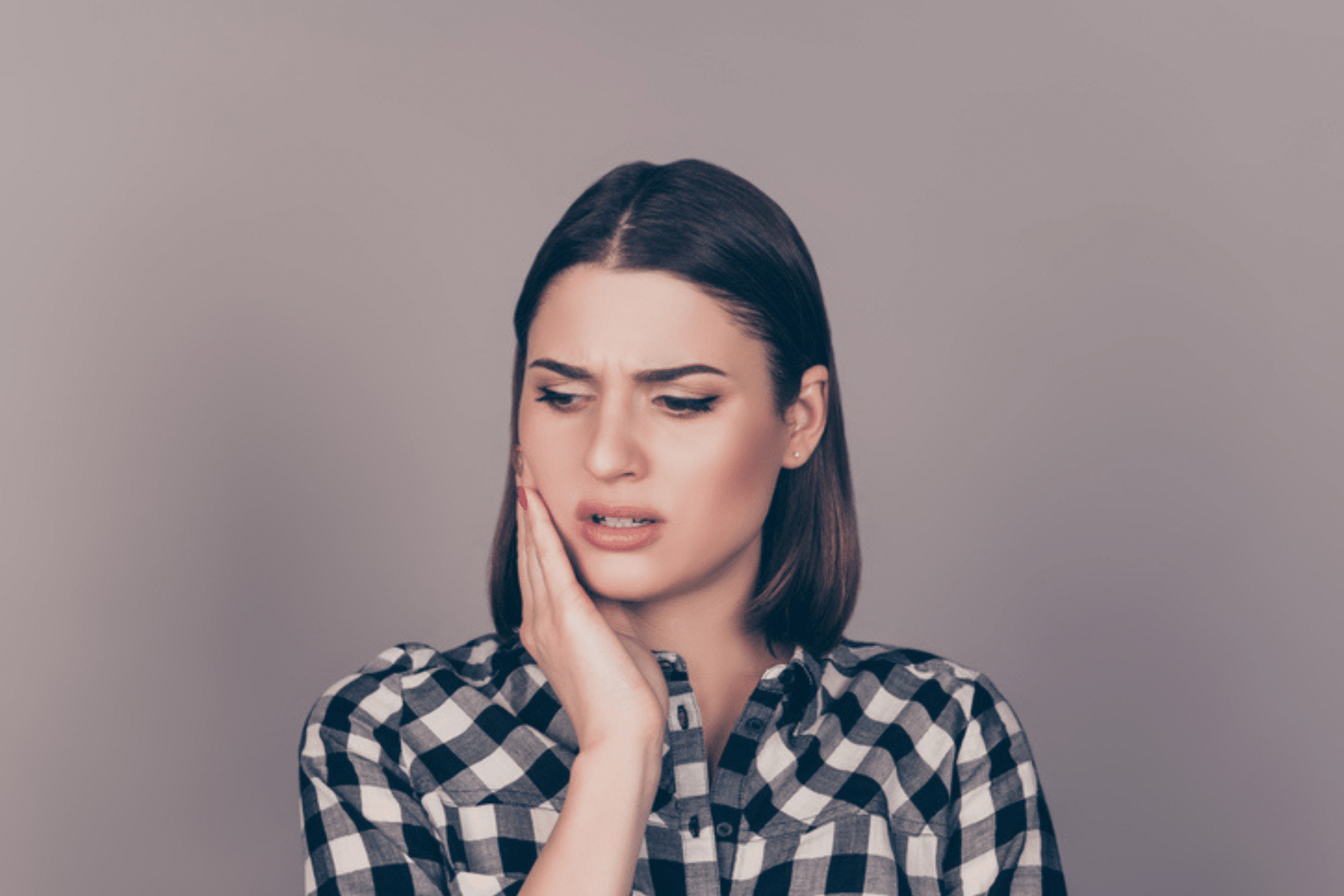
The good news is that this is a common habit, and the friendly team at Westover Family Dentistry in Winchester, VA can find ways to help your teeth relax and keep your smile healthy and strong!
What Is Bruxism and Why Does It Happen?
Bruxism is the medical term for grinding, gnashing, or clenching your teeth. Many people do this at night while sleeping, which makes it hard to control. Some people also grind their teeth during the day when they feel stressed or focused on something.
Common causes of teeth grinding include:
- Stress and anxiety from school, work, or daily life
- Sleep disorders like sleep apnea
- Crooked or missing teeth that don’t fit together properly
- Too much caffeine or sugary drinks before bedtime
- Certain medications that affect sleep patterns
How Do I Know If I Grind My Teeth at Night?
Since nighttime grinding happens while you sleep, you might not realize you have this problem. Here are warning signs to watch for:
- Sore jaw muscles when you wake up
- Dull headaches, especially around your temples
- Teeth that look worn down, chipped, or flat
- Sensitive teeth when eating hot or cold foods
- Tired or tight jaw muscles
- Pain that feels like an earache but isn’t an ear infection
Your family members might also hear grinding noises while you sleep. If you notice any of these signs, it’s time to visit your dentist.
What Problems Can Teeth Grinding Cause?
| Problem | How It Affects You |
| Tooth Damage | Grinding wears down enamel and can crack or chip teeth |
| Jaw Pain | Constant clenching causes TMJ problems and muscle soreness |
| Headaches | Tension in jaw muscles leads to frequent headaches |
| Sleep Issues | Poor sleep quality leaves you tired during the day |
| Sensitive Teeth | Worn enamel makes teeth hurt when eating or drinking |
When left untreated, bruxism can lead to serious dental problems. You might need crowns, bridges, or even dental implants to fix badly damaged teeth. The jaw joint problems can become chronic and harder to treat over time.
How Can I Stop Grinding My Teeth at Night?
At Westover Family Dentistry in Winchester, VA, we help patients find the right solution for their teeth grinding. Here are proven ways to stop bruxism:
Custom Night Guards
A night guard is a special mouthpiece you wear while sleeping. It acts like a cushion between your upper and lower teeth, preventing damage from grinding. Our practice creates custom night guards that fit your mouth perfectly, making them comfortable to wear all night.
Stress Management Techniques
Since stress is a major cause of bruxism, finding ways to relax can help:
- Practice deep breathing before bed
- Try gentle stretching or yoga
- Keep a regular sleep schedule
- Avoid screens one hour before bedtime
- Listen to calm music or nature sounds
TMJ Therapy
If your teeth grinding has caused jaw joint problems, TMJ therapy can help. This treatment reduces pain and improves how your jaw moves. Our team can evaluate your jaw and recommend the best approach.
Dental Corrections
Sometimes grinding happens because teeth don’t line up correctly. Treatments like Invisalign or ClearCorrect can straighten your teeth and reduce grinding. We also offer crowns and other restorations to fix bite problems.
Lifestyle Changes
Simple changes to your daily habits can make a big difference:
- Cut back on caffeinated drinks, especially after lunch
- Avoid chewing gum, which trains your jaw muscles to clench
- Don’t chew on pens, pencils, or other objects
- Place your tongue between your teeth during the day to train your jaw to relax
- Apply a warm washcloth to your jaw before bed to relax muscles
Can Children Grind Their Teeth Too?
Yes, many children grind their teeth, especially when their baby teeth or permanent teeth are coming in. Most kids stop grinding once all their adult teeth have grown in. However, if your child shows signs of tooth damage or complains about jaw pain, bring them in for an evaluation.
When Should I See a Dentist About Teeth Grinding?
You should schedule an appointment if you experience:
- Visible damage to your teeth like chips or flat surfaces
- Pain in your jaw that lasts more than a few days
- Headaches that happen frequently, especially in the morning
- Trouble opening your mouth fully
- Clicking or popping sounds when you move your jaw
- Tooth sensitivity that makes eating uncomfortable
Early treatment prevents bigger problems down the road. Our team can spot signs of grinding during regular checkups, even before you notice symptoms.
Key Points About Teeth Grinding
What causes it: Stress, sleep disorders, crooked teeth, and certain lifestyle habits trigger bruxism.
Warning signs: Jaw pain, headaches, worn teeth, and grinding sounds during sleep indicate a problem.
Treatment options: Custom night guards, TMJ therapy, stress management, and dental corrections effectively stop grinding.
Why treat it: Preventing tooth damage, jaw problems, and chronic pain saves your smile and improves sleep quality.
When to get help: See a dentist if you notice tooth damage, persistent jaw pain, or frequent headaches.
Protect Your Smile at Westover Family Dentistry
Don’t let teeth grinding damage your smile or steal your sleep. We provide personalized treatment plans that address the root cause of your bruxism. Our experienced team uses the latest technology to create comfortable solutions that work.
Ready to stop grinding and start sleeping better? Call us today to schedule your consultation. We’ll evaluate your teeth, discuss your symptoms, and recommend the best treatment to protect your smile. Your path to pain-free mornings starts here.